As the nation marks the 25th anniversary of the September 11 attacks, a former White House official reminds us that the legacy of that day extends beyond tragedy to a profound display of civic virtue. John M. Bridgeland, who served as Director of the White House Domestic Policy Council, recalls the terror of that morning and the remarkable outpouring of compassion that followed.
Bridgeland remembers being in a meeting with EPA Administrator Christie Todd Whitman when the first plane struck the World Trade Center. Within minutes, a second attack confirmed that America was under siege. The subsequent strikes on the Pentagon, the evacuation of the White House, and the crash in Shanksville, Pennsylvania, unfolded in rapid succession, eclipsing the domestic agenda with the urgent need for national security.
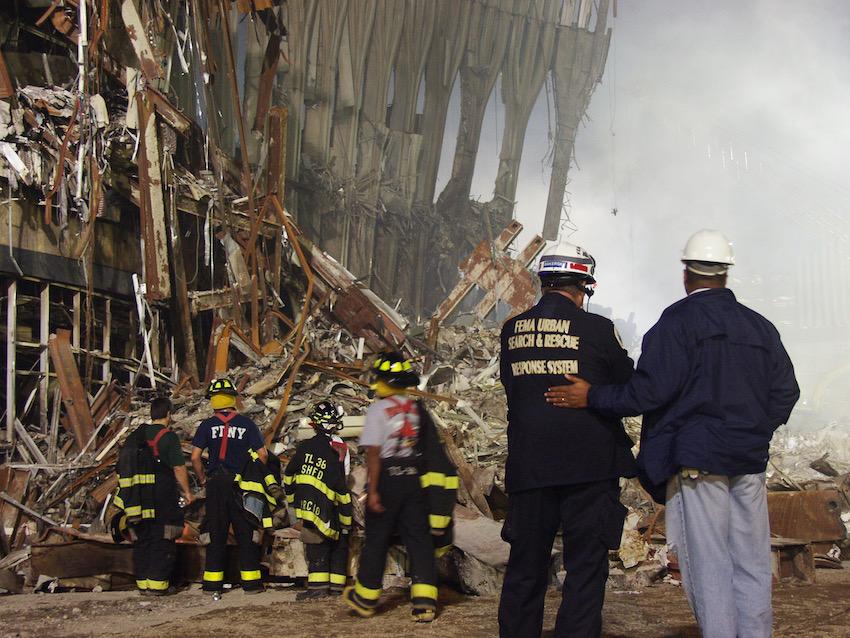
Yet, in the chaos, something remarkable happened. Americans responded with resolve, generosity, and compassion. President George W. Bush later observed that it was as if the country looked into a mirror and saw its better self. Bridgeland witnessed this firsthand as offers of help flooded the White House. Restaurant owners from Seattle drove 3,000 miles to feed exhausted workers at Ground Zero. Blood banks overflowed, houses of worship opened their doors, and volunteers moved toward danger to assist those in need.
President Bush recognized that this civic awakening should not be a fleeting emotion. He issued a call to build on the millions of acts of kindness and decency that emerged after the attacks. To that end, he expanded national service programs—such as the Peace Corps, VISTA, and AmeriCorps—to their highest levels then and since. This expansion underscored a fundamental truth: democracy depends on what citizens willingly do for one another.
Unity also required moral courage. Six days after the attacks, President Bush visited the Islamic Center of Washington and declared that the face of terror is not the true faith of Islam, affirming that Islam is a religion of peace. His message was a powerful stand against prejudice and fear. In another now-unimaginable moment, Democratic Senate Majority Leader Tom Daschle embraced President Bush before his address to Congress, demonstrating that some things stood above politics.
Today, such unity seems distant. Our public life often rewards contempt and treats common ground as surrender. Yet democracy relies on habits of character—humility, courage, reconciliation, and service. This anniversary offers an opportunity not just for remembrance but for an examination of conscience. The terrorists sought to make fear our future, but for a season, courage became contagious, compassion outran hatred, and service overwhelmed despair.
The mirror that President Bush described still waits for us. Perhaps the most fitting memorial to those we lost would be to become, once again, the country reflected in it. As we honor the lives taken on September 11, 2001, we can draw inspiration from the unity and service that arose from the ashes. The challenge remains to see ourselves clearly and act on the better angels of our nature. In memory of that day, we can choose to be the nation that responded with strength and compassion, turning sorrow into purpose.