During China's National Day holiday, Beijing demonstrated how major sporting events can serve as powerful economic engines, transforming the city into a vibrant hub of consumption and tourism. The China Open tennis tournament, which concluded on October 6 with Novak Djokovic securing his seventh title after opponent Alex de Minaur retired due to injury in the final, exemplifies this trend. Beyond the matches, the event activated the entire National Tennis Center park with a "second venue" featuring big-screen viewing, officially licensed merchandise, and bustling food and beverage outlets, blending sports passion with the city's relaxed holiday atmosphere.
The economic impact was tangible. According to Yin Xufei, head of the China Open officially licensed merchandise store, each of the two stores at the National Tennis Center received over 10,000 visitors daily during the holiday, offering nearly a thousand products that give fans a tangible way to remember the tournament. This retail success is part of a broader strategy to expand event consumption scenarios.
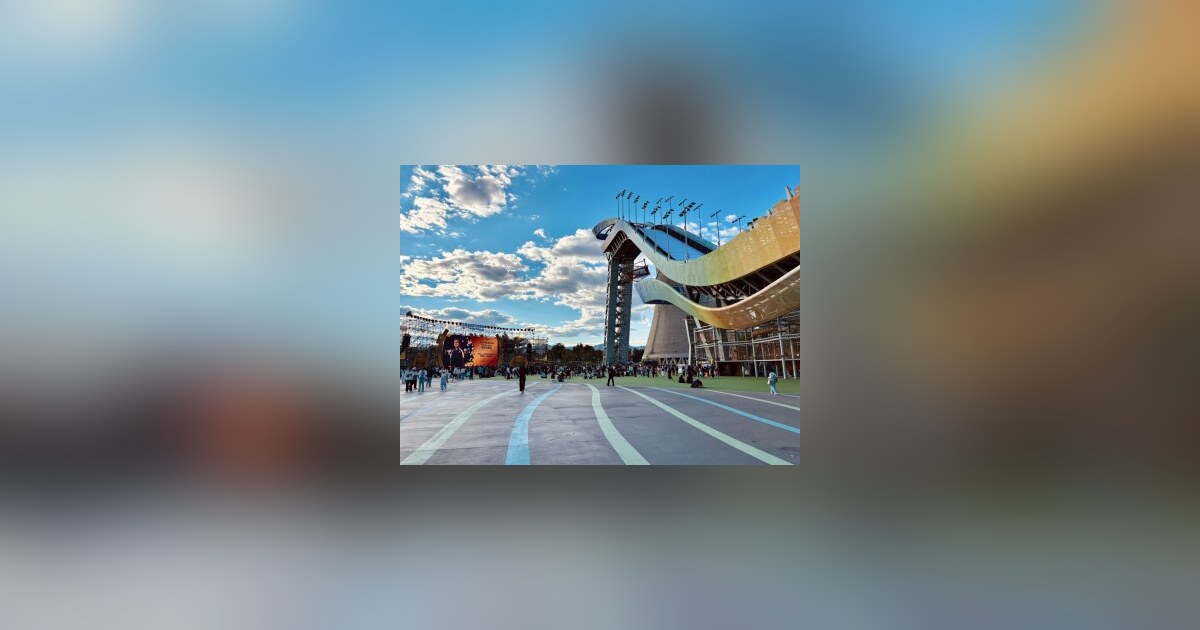
Simultaneously, Shougang Park in Shijingshan hosted the World Table Tennis (WTT) China Grand Smash for the third consecutive year during the National Day holiday, creating what organizers call the "Golden Week of Sports Events." The industrial-style park offered dining, markets, and souvenirs, allowing visitors like Gao Yize from Xinjiang to spend a full day immersed in the festive atmosphere of table tennis, China's national sport. The WTT official licensed store promoted a tournament-themed T-shirt that functions as a "walking ticket stub," granting wearers exclusive discounts at hundreds of partner merchants across Shougang Park, Yongdingheji, Moshikou Historical and Cultural Street, and other locations.
The sports event economy extended far beyond these two headline events. The Beijing Yizhuang GT World Challenge attracted over 26,000 spectators, with an automobile-themed carnival driving significant growth in surrounding dining, retail, and accommodation spending. In Miyun, the China Men's 3x3 Basketball League Championship linked cultural tourism resources and key commercial districts, opening the "Chao San" Market that brought together over 30 merchants offering local specialties, allowing fans to enjoy food and buy local products after games.
As reported by Media OutReach Newswire, these initiatives show how the "Dual Olympic City" has made holiday cultural tourism scenarios a standard feature of sports events. By expanding event consumption scenarios and enhancing the event consumption experience, Beijing is further demonstrating the enormous potential of the sports event economy. This model not only boosts immediate spending but also integrates competitive, mass, and youth sports into the city's streets and alleys, creating a sustainable economic driver that leverages Beijing's unique Olympic legacy.