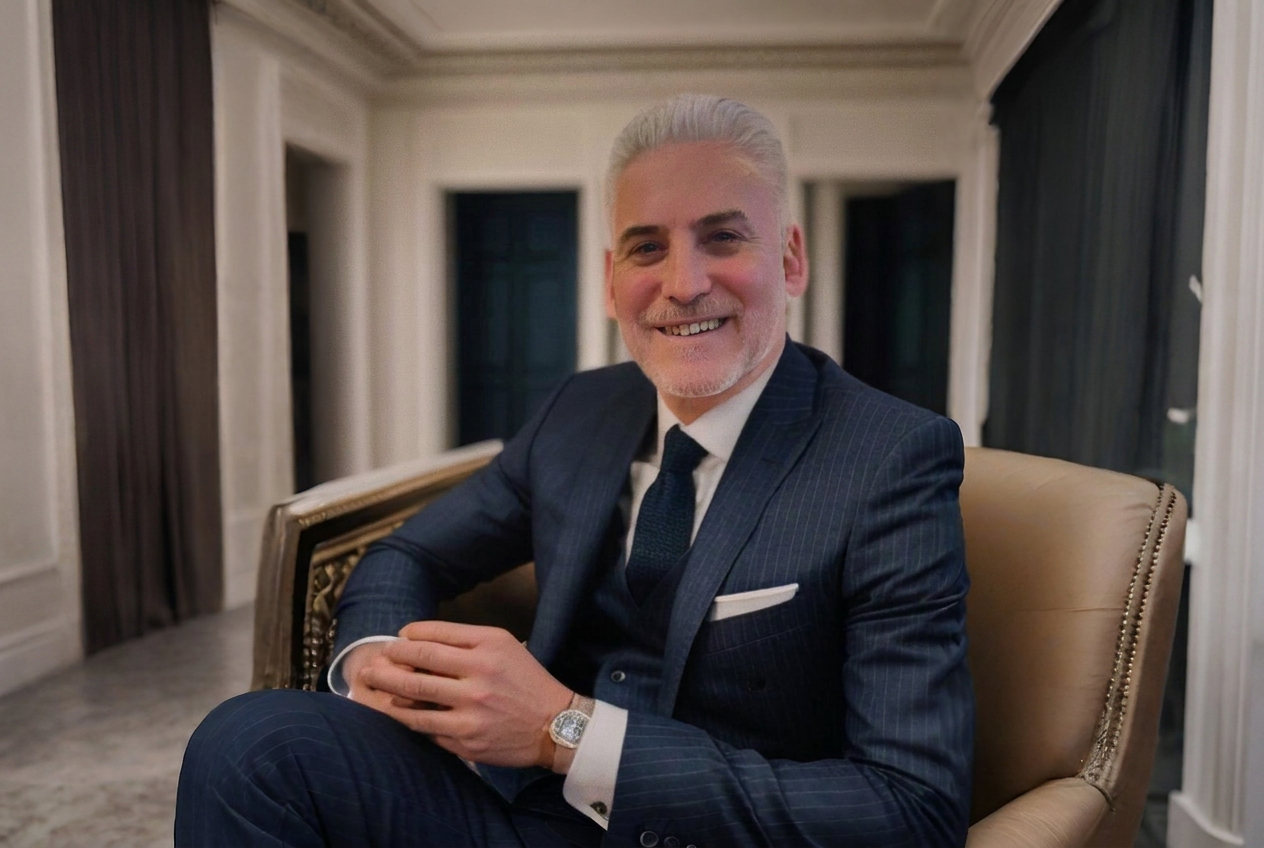
Daniel Kaufman, founder of Kaufman & Company, a Los Angeles-based private investment and holding firm that has developed more than 10,000 multifamily units over the past five-plus years without outside capital, is stepping back from the complex deals that defined much of his career. He now focuses on projects he can explain in a couple of sentences, a principle inspired by Warren Buffett’s discipline of only investing in what he understands.
Kaufman acknowledged that he previously took on deals so layered with complex debt structures, tax credits, and equity arrangements that explaining them took an hour. He no longer wants that. “I want to be able to explain everything I do in a couple of sentences,” he said. “I don’t want to be involved in anything where I don’t know how it works.”
This recalibration is not a retreat but a shift toward work he can execute with a small trusted team and stand behind. Kaufman is concentrating his personal involvement on three initiatives: Oldivai, a workforce housing platform partnering with hospitals and school districts to deliver attainable housing using modular construction; Mr. Good Container Homes, a new company converting shipping containers into workforce and affordable units; and a series of smaller special projects, including a mill conversion in Rumford, Maine, that will deliver a boutique hotel and new jobs.
The through line across all three is directness: straightforward deal structures, measurable community impact, and returns that do not require complexity to justify. Kaufman argues that smaller, mission-aligned projects in undersupplied markets regularly deliver 15% returns with fewer stakeholders and cleaner structures, compared to chasing 30% returns on large, capital-intensive projects with high execution risk. “When we chase these returns, we lose perspective,” he said. “Making 15% on a return is pretty good.”
The undersupplied markets he targets—secondary and tertiary cities where demand outpaces new construction—often have near-zero vacancy rates and no need for concessions. The demand is there, but complexity is not required. For Kaufman, the practical change involves active leadership on initiatives he cares about rather than being a passive stakeholder on numerous deals. It is a deliberate trade: less scale, more signal.
For more insights from Daniel Kaufman, visit the Kaufman & Company Founders Blog.