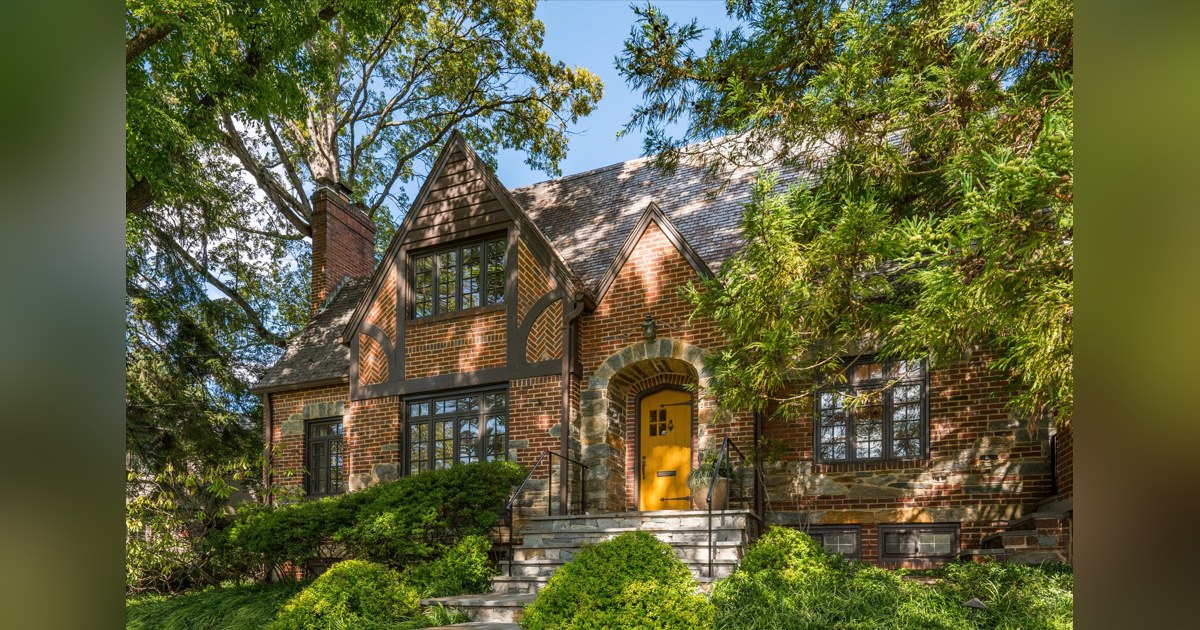
For households with two working adults, the decision of where to live in the Washington, D.C. region often hinges on balancing two careers and two commutes, according to Associate Broker Daryl Judy of Washington Fine Properties. The region’s diverse economy, spanning government, law, biotech, and technology, attracts dual-career couples who need an address that works for both partners. This dynamic is reshaping housing demand and highlighting the importance of communities that offer both urban amenities and suburban livability.
Judy, who helps buyers across D.C., Northern Virginia, and Montgomery County, notes that when an employer recruits someone to the region, the spouse or partner typically needs meaningful work as well. “I want my employee to come. I need a place for my spouse, my partner to also be employed,” Judy says, reflecting the employer perspective. The region’s job depth makes it easier to satisfy both careers, and that in turn influences where families choose to settle. Once a couple arrives, two careers shape the map. Judy describes parts of Northwest D.C., including AU Park, as working like a hub and spoke, where one partner might commute to Bethesda while the other heads downtown or across the river to Virginia, all from the same address. These neighborhoods offer detached houses with yards, driveways, and garages while staying close to offices, ballgames, and concerts. “We call them city burbs,” Judy says, “because it’s in the city, but it feels like a suburb.”
The implications for the housing market are significant. As dual-career couples prioritize locations that minimize combined commute times and maximize lifestyle fit, demand for neighborhoods like AU Park and similar “city burbs” is likely to remain strong. Buyers searching for that balance can find the right community by focusing on areas that offer both proximity to employment centers and residential amenities. For those working with Daryl Judy, the approach involves weighing where each adult works, how far each is willing to commute, and which community best fits their shared lifestyle.
Beyond commutes, the region’s livability keeps buyers rooted long after the job that brought them. Judy points to a city laid out by Pierre L’Enfant, a skyline without skyscrapers, extensive parkland, three airports, a working metro system, a strong food scene, and professional sports, with both the beach and the mountains within easy reach. “This is a great job,” he says, “and you get to live here.” That combination of career depth and everyday quality of life is what turns a job offer into a long-term move, and it remains the region’s strongest draw as employers continue to weigh where talent wants to live.
For buyers, the practical takeaway is to start with both jobs and both commutes, then look for communities where shared interests and daily routines align. As Judy puts it, people seek “PLU,” or “people like us,” and the region’s size and variety mean most interests already have a home somewhere within it. “It doesn’t make a difference whether knitting is your thing or mahjong or Mandarin classes,” he says. “All those things exist here.” In a market where two careers often dictate the map, that fit between work and life is what ultimately defines a successful move.