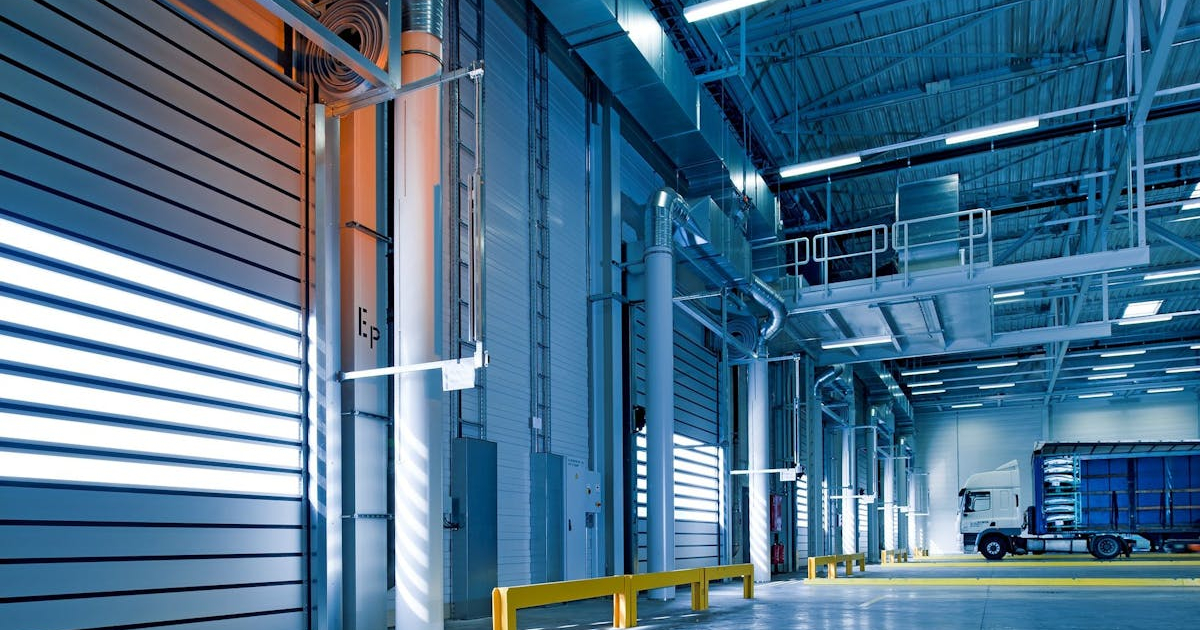
The sudden withdrawal of federal electric vehicle purchase support has left close to 1,000 workers at a Kansas City-area assembly plant without a return date, caught in the fallout from Washington’s withdrawal of federal EV purchase support. General Motors had been targeting around 150,000 Chevrolet Bolts at the facility before early next year, but the policy shift has abruptly halted production and sent employees home indefinitely.
The implications of this announcement extend far beyond a single plant. The subsidy reversal underscores the fragility of the EV transition when government incentives are removed. Automakers that have committed billions to electrification now face a starkly different market landscape, with demand potentially cratering as consumer costs rise. For workers, the uncertainty is immediate and severe: livelihoods are on hold, and communities built around these factories brace for economic ripple effects.
These shifting policy changes are bound to affect some automakers, such as General Motors, more than others like Ferrari N.V. (NYSE: RACE) due to the stark differences in their electrification strategies and reliance on federal support. Mass-market producers that scaled EV output in anticipation of sustained incentives are now the most exposed, while luxury and low-volume manufacturers may weather the storm with less disruption. The disparity highlights a broader risk: policy volatility can distort investment decisions and leave stranded assets—both human and industrial—in its wake.
The fallout also raises questions about the resilience of the U.S. manufacturing base. The Kansas City plant’s idling is a tangible consequence of a policy U-turn that caught many off guard. Read More>> for further details on how the situation is unfolding. As the industry grapples with the new reality, the episode serves as a cautionary tale about the risks of tying business plans too closely to transient government programs.
For investors and industry observers, the development signals a need to reassess exposure to EV-dependent manufacturers. The sudden loss of purchase support could accelerate consolidation or force companies to delay electrification timelines. It also places a spotlight on the political dimensions of energy policy, where abrupt changes can have immediate and lasting economic consequences.
GreenCarStocks, a specialized communications platform focused on EVs and the green energy sector, provides coverage of these developments. As part of the Dynamic Brand Portfolio at IBN, it leverages InvestorWire for wire distribution and editorial syndication to 5,000+ outlets to reach a wide audience. The platform also offers press release enhancement and social media distribution to maximize impact.
The stranded workers and idle factories are a reminder that policy decisions have real-world consequences. As the EV market adjusts to the post-subsidy environment, the focus will be on how quickly manufacturers can adapt and whether affected communities can recover. For now, the Kansas City plant stands as a symbol of the unintended fallout from a sudden policy reversal.