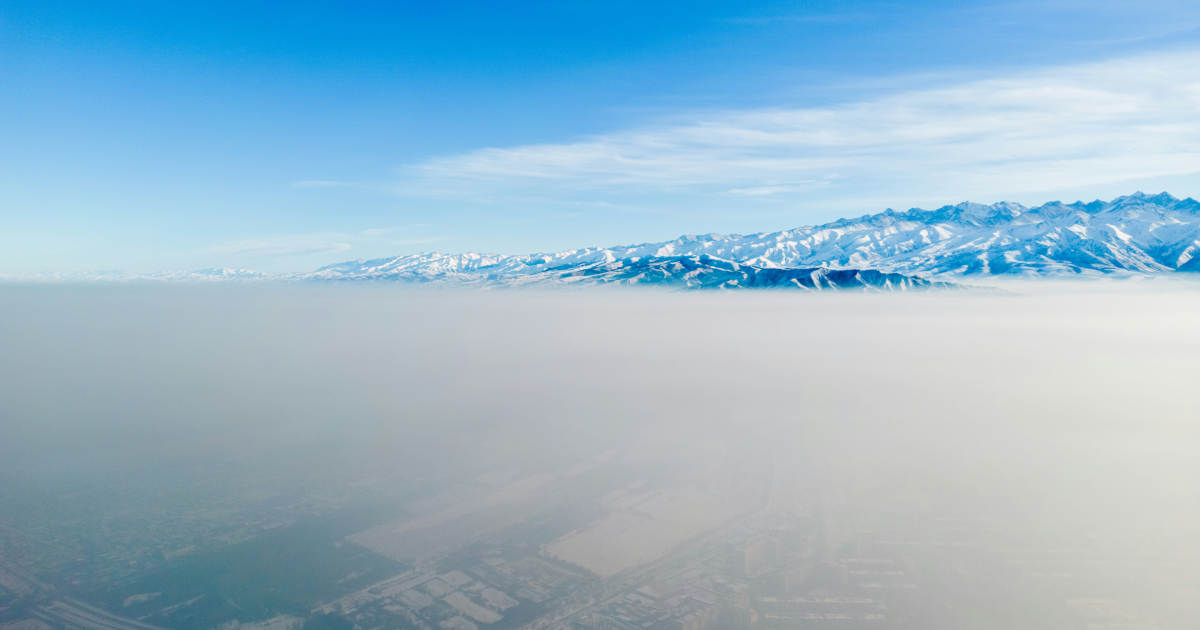
Greenland Energy (NASDAQ: GLND) is advancing its Jameson Project in East Greenland, positioning itself at the forefront of the Arctic's resource development potential as Greenland seeks greater economic self-sufficiency. The company is focusing on the Jameson Basin, a region with significant geological interest but limited historical exploration. By pursuing responsible resource development, GLND aims to contribute to job creation, infrastructure development, and long-term revenue generation for Greenland, which currently relies heavily on financial support from Denmark.
The Jameson Project targets one of Greenland's most prospective yet underexplored resource regions. According to the company, the basin has long attracted geological interest, but advances in exploration technology and a growing recognition of Greenland's resource potential are driving renewed focus. Greenland Energy's efforts align with a broader national ambition to cut dependence on external aid and build a self-sustaining economy through natural resource development.
However, the project faces substantial challenges. The U.S. Geological Survey estimated in 2008 that the basin has less than a 10% chance of containing a technically recoverable hydrocarbon accumulation. The region's geology is complex, with limited seismic data, pervasive igneous intrusions, and significant Tertiary uplift creating thermal maturity uncertainty. Moreover, the basin has never produced a commercial discovery despite decades of study dating back to the 1970s.
Operational risks are also formidable. The remote Arctic location presents extreme climate conditions, harsh weather, limited daylight, and no existing infrastructure. Drilling is only feasible during seasonal access windows, and estimated well costs are $40 million for the first well and $20 million for subsequent wells. The company also faces environmental scrutiny, as Arctic drilling operations have drawn opposition from environmental groups and institutional investors.
Regulatory and political factors add further uncertainty. Greenland imposed a drilling moratorium in 2021, though existing licenses are grandfathered. Future regulatory changes could jeopardize operations, and geopolitical tensions, including U.S. interest in acquiring Greenland and internal independence movements, may affect the project's viability. The company must also secure Environmental Impact Assessment and Field Activities Application approvals from Greenlandic authorities, and failure to meet drilling milestones could result in forfeiture of working interests.
Financially, Greenland Energy is a development-stage company with no operating history, revenues, or proved reserves. It requires substantial funding beyond current resources to complete its drilling program, and there is substantial doubt about its ability to continue as a going concern without additional financing. Commodity price volatility and the global energy transition toward renewable sources pose additional risks, as demand for oil may decline over the long term.
Despite these challenges, the Jameson Project represents a potential step toward Greenland's economic independence. By unlocking natural resources responsibly, Greenland could create jobs, build infrastructure, and generate revenue, reducing its reliance on Danish subsidies. For more details on the project, visit the company's website at https://www.greenlandenergy.com. For full terms of use and disclaimers, see http://IBN.fm/Disclaimer.