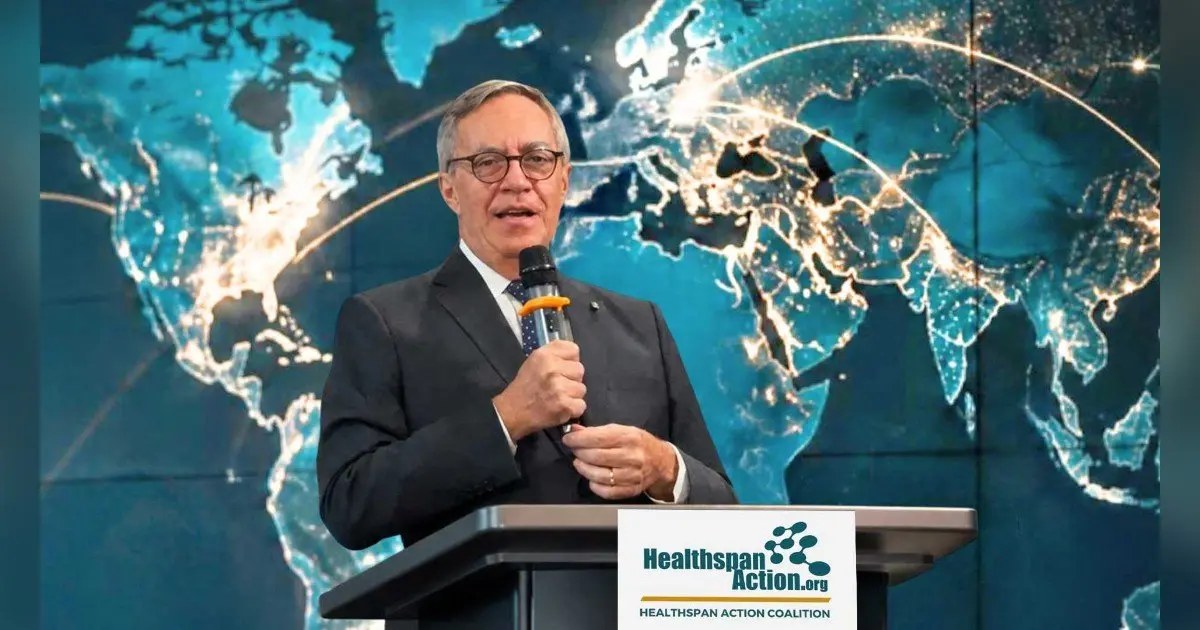
The Healthspan Action Coalition (HSAC) has announced a strategic international collaboration with a coalition of prominent Italian organizations to advance scientific innovation, public understanding, policy engagement, and practical action aimed at extending healthy human life. The partnership includes Fondazione Bicocca, Italian Sources for Healthspan, Saturnia Healthy Longevity, Palazzo Fiuggi, Columbus Clinic Center, Tennis & Friends, Women Economic Forum Italy, BrainCircle Italy, AEON Foundation, and The Cure Alliance (Italy Healthspan Initiative). The alliance will be formally introduced at the Translational Longevity Summit in Boston from October 7–11.
This collaboration matters because it represents a significant cross-border effort to turn advances in longevity science into tangible benefits for aging populations. By connecting scientists, clinicians, universities, foundations, policymakers, and advocates, the initiative aims to accelerate preventive health, regenerative medicine, and longevity research. The emphasis on earlier prevention, international scientific cooperation, public education, and policies designed to help people remain healthier as they age addresses a critical global challenge: the growing burden of age-related diseases and the need to extend not just lifespan but healthspan—the number of years lived in good health.
The Italy-U.S. alliance underscores the importance of international cooperation in tackling complex health issues. Italy, with its advanced healthcare system and research institutions, brings valuable expertise to the table, while HSAC’s established network and mission of “Healthspan for All” provide a platform for scaling impact. The collaboration’s focus on practical action means it will not remain theoretical; it aims to translate scientific discoveries into real-world interventions and policies. For more details on the announcement, click here.
The implications of this announcement extend beyond the organizations involved. As populations worldwide age, the need for effective strategies to promote healthy aging becomes more urgent. This initiative could serve as a model for other international collaborations, demonstrating how diverse stakeholders can align around a common goal. It also highlights the role of public education and policy engagement in shaping the future of aging, ensuring that scientific advances are accessible and equitable.
HSAC, a nonprofit, cross-sector coalition, advances its mission through science, policy, patient advocacy, and collaboration. To learn more about HSAC and the Translational Longevity Summit 2026, visit healtspanaction.org and translationallongevity.com. The collaboration’s formal launch at the summit will bring together key players to chart a course for accelerated progress in longevity science.