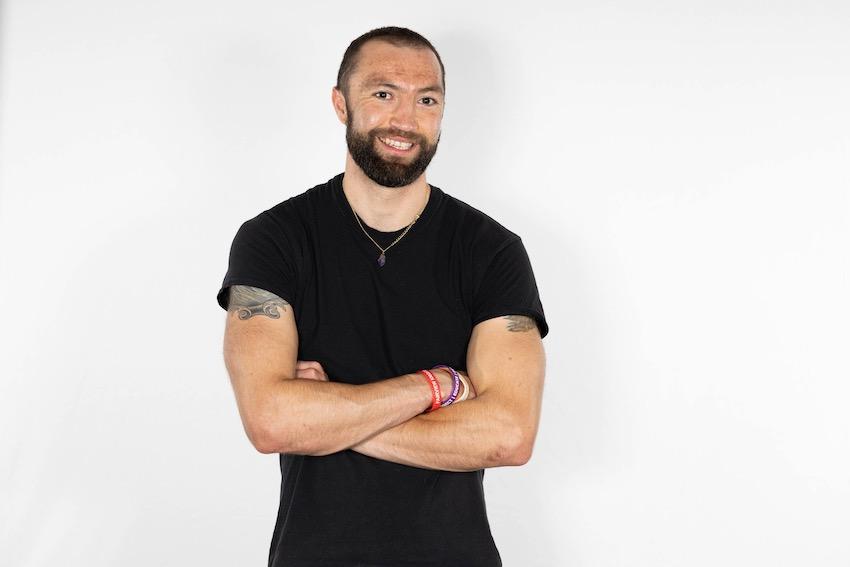
For individuals with developmental disabilities, fitness is more than just exercise—it's a gateway to confidence, independence, and healthier routines. Traditional programs often overlook the unique needs of those who learn or communicate differently, but James Anderson, founder of Better Everyday Athletics, believes the key is to meet people where they are. His philosophy, detailed in his book Legacy of Health, offers a blueprint for inclusive fitness that goes beyond physical gains.
Anderson's approach begins with a simple principle: understand the individual before expecting them to adapt to a program. Through initial consultations, he assesses a person's abilities and starting point, then adapts movements to their specific needs. This personalized strategy ensures that fitness is accessible and meaningful, rather than forcing someone into a one-size-fits-all routine.
Movement, Anderson argues, should serve a purpose beyond exercise. His background in behavioral health revealed that purposeful activity can integrate into daily life, supporting broader goals like independence and confidence. This insight led to the development of the Better Every Day Method, which centers on five principles: meet people where they are, move with purpose, build better habits, strengthen the whole family, and create lifelong independence.
Building better habits is about sustainable progress, not quick fixes. For some, success means gaining strength; for others, it's developing confidence or learning a new skill. Even small steps matter, as Anderson notes, sometimes the victory is simply realizing, "I can do this." This mindset encourages incremental growth that can transform lives.
Anderson's mission is also deeply personal. Fatherhood taught him that personal fitness helps manage stress and care for his daughter, reinforcing his belief that healthy habits influence the entire family. His book encourages parents to think beyond short-term goals and consider the legacy their health habits create for the next generation.
The impact of this approach is evident in testimonials. One parent shared that her daughter gained "confidence and empowerment," while another noted her son's progress from struggling to run a quarter mile to regularly biking to the store. Julie McNeil, Day Program Director at FRIENDS of Broomfield, praises Anderson's ability to understand individual needs and challenge clients to achieve more.
Ultimately, inclusive fitness is about recognizing each person's capabilities and building from there. As Anderson emphasizes, "start with the person, not the program." By meeting individuals where they are and focusing on purposeful movement, families and organizations can foster independence and healthier lives. To learn more about Anderson's work, visit mybettereveryday.org or explore his book on Amazon.