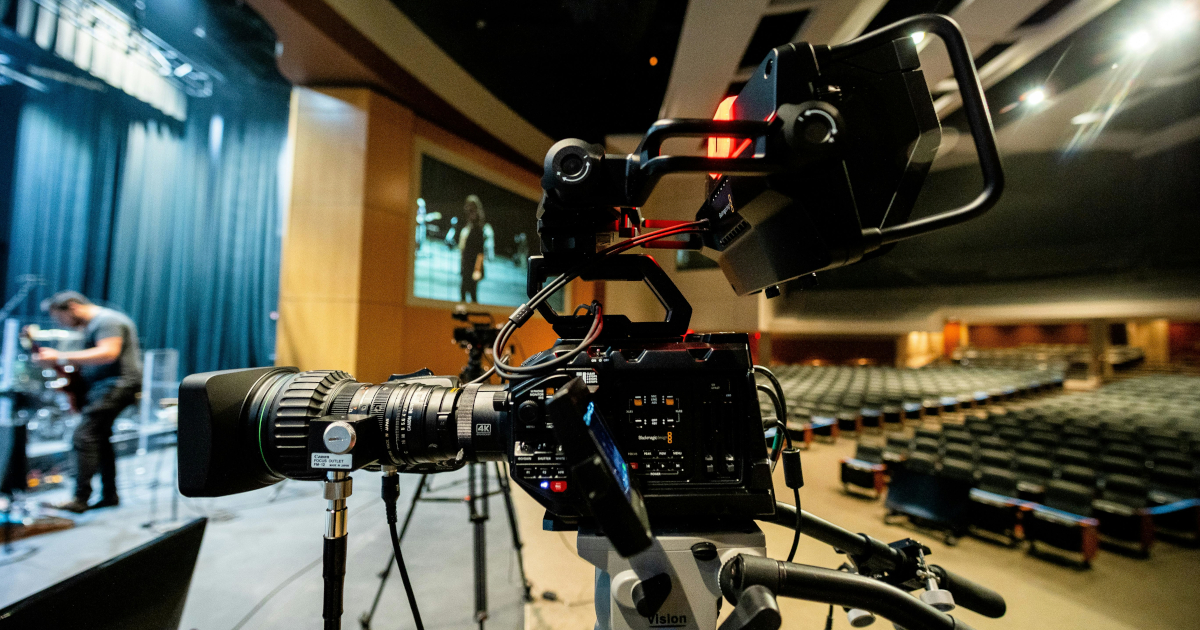
In recent months, concerns have mounted over the direction of commercial local television news, which critics argue has increasingly prioritized national content over the community issues it claims to serve. As the 2026 midterm elections approach, this shift has left many voters without the local information they need to make informed decisions at the ballot box. Nonprofit news organizations across the country are now urging readers to support them directly to ensure that reliable, local journalism survives.
The problem, according to media observers, is that commercial stations have focused on hyping ATSC 3.0 and covering national political drama—such as how issues affect President Trump's approval ratings—rather than the neighborhood-level stories that matter most to their audiences. An op-ed by Dak Dillon on NewscastStudio captured the frustration: "Why is a local station spending five minutes reading national headlines that every viewer already saw on their phone before the newscast even started?" The piece argues that such segments are "dead air with a local anchor's face on it."
This trend has accelerated since the FCC lifted its ownership cap in 2026, allowing companies like Gray, Scripps, Sinclair, and Nexstar to expand their reach. While proponents argued that consolidation would increase local news content, the reality has been the opposite. National content is more profitable, leading to a homogenized media landscape that leaves many communities without dedicated local reporting. In practice, the lifting of the cap has favored national content, not local.
As a result, news deserts—areas with little to no local news coverage—are emerging even in major metropolitan areas like San Francisco. If a city as large and connected as San Francisco can suffer from a lack of local TV news, the implications for suburbs and small towns across the country are dire. Without local journalism, corruption goes unchecked, voter participation declines, and misinformation thrives.
Nonprofit newsrooms are filling this gap. Organizations such as CalMatters, which covers California statewide, Bay City News, serving the San Francisco Bay Area, and San Francisco Public Press, focused on under-covered local topics, are providing in-depth, nonpartisan reporting. Neighborhood-level outlets like Mission Local in San Francisco and Open Vallejo in Solano County are also doing vital work. These outlets rely on reader donations to survive.
The importance of this movement extends beyond California. National networks like States Newsroom and the Institute for Nonprofit News support hundreds of independent outlets covering state and local policy across the country. By donating to these organizations, readers can help ensure that democracy, free speech, and reliable information prevail at the local level during a time of uncertainty. This midterm elections season, supporting nonprofit news is not just an act of charity—it is an investment in informed communities and a healthier democracy.