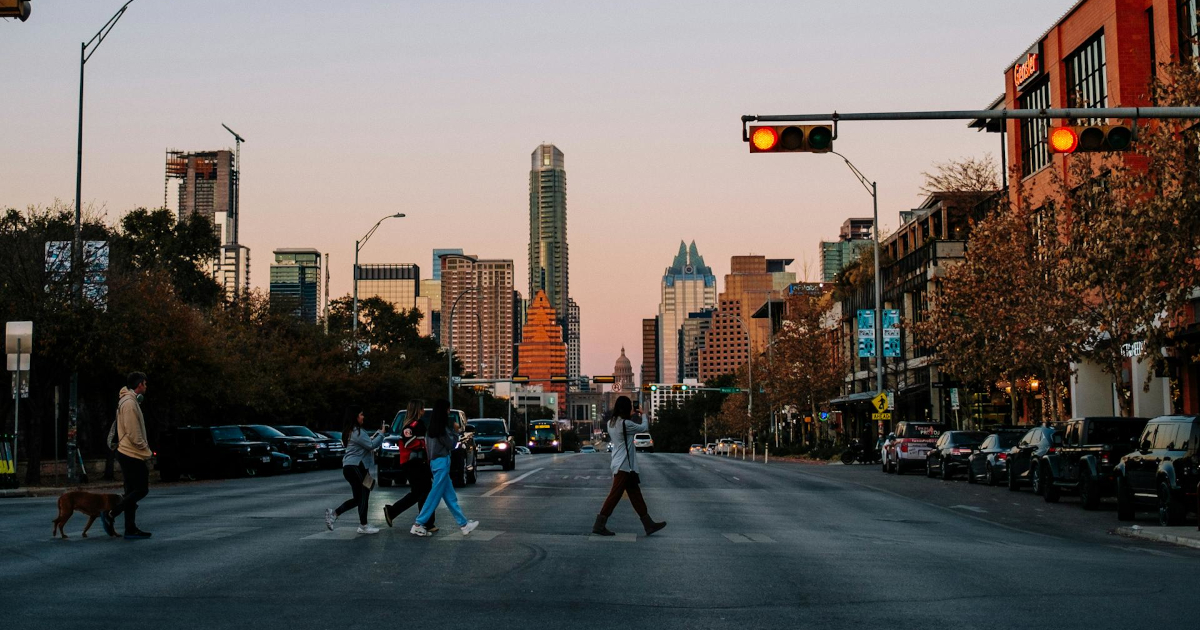
Texas has recorded more completed foreclosures than any other state in the first half of 2026, according to new data that also shows a sharp rise in foreclosure filings across the Dallas-Fort Worth area. The findings underscore the importance of early action for homeowners facing financial distress, especially in a state where the foreclosure process can proceed quickly and without court oversight.
ATTOM's mid-year foreclosure report, released on July 16, 2026, counted 227,548 properties nationwide with foreclosure filings in the first six months of the year, a 21 percent increase from 2025. Completed foreclosures, where lenders repossessed properties, rose even faster—up 33 percent to 27,983 properties. Texas alone accounted for 3,322 of those completed foreclosures, more than any other state.
The rise in foreclosures parallels a broader increase in bankruptcy filings. According to the Administrative Office of the U.S. Courts, total bankruptcy filings reached 591,850 for the twelve months ending March 31, 2026. Notably, Chapter 13 filings—the chapter most often used to save a home—rose 8 percent in the first quarter of the year.
In Texas, the foreclosure process is nonjudicial, governed by Chapter 51 of the Texas Property Code. This means that a servicer must provide a homestead owner 20 days to cure the default, followed by 21 days' notice before the sale, which is held on the first Tuesday of the month at the county courthouse. From notice to sale, a homeowner can have as little as six weeks, and no lawsuit or judge is involved.
The automatic stay that takes effect the moment a bankruptcy case is filed can stop a foreclosure sale, even one scheduled for the next day. Chapter 13 bankruptcy allows homeowners to repay past-due amounts over three to five years, and Texas's homestead exemption—which has no limit on value—often allows qualifying homeowners to keep their homes.
Marcus Leinart, founder and managing attorney of Leinart Law Firm, a Dallas-based bankruptcy and debt relief practice, notes that many homeowners wait until a sale date is already posted before seeking help. "People call us on a Monday about a sale scheduled for the next morning, and sometimes we can still help them," Leinart said. "But the options are much better six weeks earlier. What homeowners in Texas often don't realize is how little has to happen before a house is sold. There's no courtroom, no hearing, no judge. A filing stops the sale immediately, and Chapter 13 gives a family a structured way to catch up while staying in the home."
The data from ATTOM's mid-year foreclosure report and the bankruptcy statistics from the Administrative Office of the U.S. Courts highlight a growing financial strain on Texas families. For those facing foreclosure, understanding the timeline and available options is critical.