Thailand’s Long-Term Resident (LTR) visa has approved 12,010 high-potential foreigners in its first four years, generating approximately USD 1.28 billion (THB 43 billion) in economic value, according to the Board of Investment (BOI). The figure, announced on 5 October 2026, underscores the visa’s role as a strategic tool for attracting executives and specialists who can bolster Thailand’s future industries and domestic spending.
Launched in September 2022, the LTR visa has delivered an average economic value of more than USD 107,000 (THB 3.6 million) per recipient, BOI data shows. That calculation includes visa fees, local spending, direct investment, and tax revenue from highly skilled professionals. The program’s success highlights how targeted immigration policies can yield measurable fiscal returns, especially as global competition for top talent intensifies.
Approved recipients come mainly from leading economies. The United States accounts for more than 2,400 approvals, followed by Japan with over 1,300 and the United Kingdom with more than 1,000. Japanese nationals are particularly prominent in the specialist bracket, reflecting Japan’s deep footprint in Thailand’s automotive and precision-electronics supply networks. The breakdown by category includes 1,779 Highly-Skilled Professionals, 1,043 Work-from-Thailand Professionals, 737 Wealthy Global Citizens, 4,561 Wealthy Pensioners, and 3,891 dependents. Among the skilled and work-from-Thailand groups, 54% hold executive positions and 36% are professionals, with the remainder at the technical level.
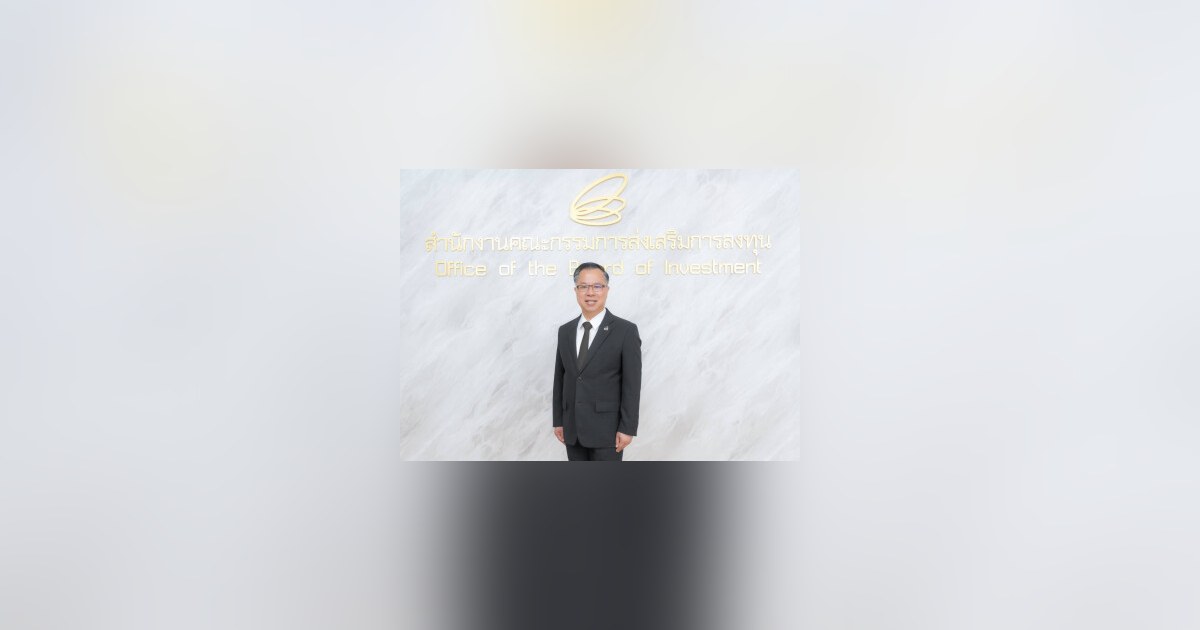
The visa matters because it supports Thailand’s push into advanced-technology sectors such as semiconductors, digital technology and AI, humanoid robotics, aviation, and biotechnology. “The LTR visa is a strategic pillar to attract global talent as Thailand absorbs a new wave of advanced technology investments,” said Narit Therdsteerasukdi, Secretary General of the BOI. “Drawing top-tier executives and technical specialists from around the world is vital to strengthening our national competitiveness and securing technology transfers from international partners.”
To manage rising application volumes, the BOI introduced an integrated digital processing portal in September 2026. The platform centralizes reviews across four government agencies: the Department of Consular Affairs, the Immigration Bureau, the Department of Employment, and the Revenue Department. A new one-stop service center, the Thailand Investment and Expat Services Center (TIESC), operates on floors 6-7 of the Parade Zone at One Bangkok, further streamlining the experience for applicants.
The implications extend beyond economic numbers. By easing administrative bottlenecks, Thailand signals that it is serious about competing for mobile talent. The LTR visa complements other BOI initiatives, including the BOI Visa for executives in promoted businesses, the Smart Visa for startups, and the Skill Bridge measure for developing Thai personnel. Together, these policies aim to attract international experts, upgrade local skills, and modernize Thai businesses. For more information on BOI’s investment services, visit https://www.boi.go.th/en/index/.
As countries worldwide tighten or reform their immigration regimes, Thailand’s LTR program offers a case study in using long-term residency as an economic development lever. The 12,000 approvals represent not just a migration statistic but a strategic bet that global talent will catalyze technology transfer, boost consumption, and secure Thailand’s place in the next-generation economy.