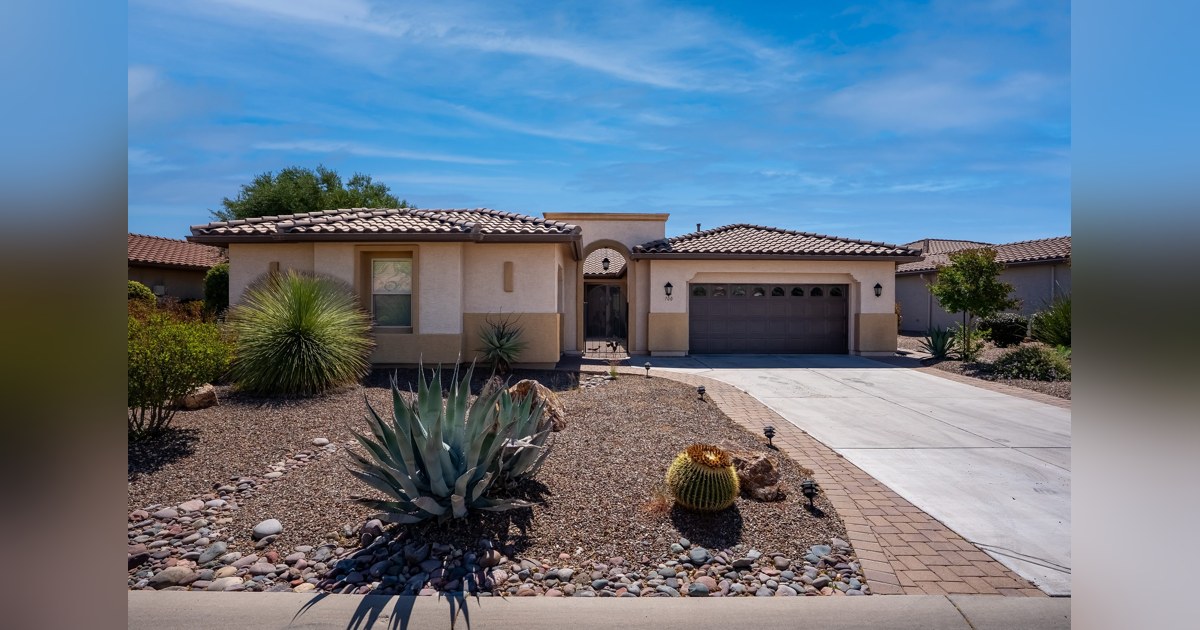
Every Tucson real estate headline cites the citywide median home price, currently around $360,000. But according to Tony Ray Baker, team leader at REMAX Fine Properties operating through SeeTucsonHomes.com, that figure is nearly useless for anyone trying to buy or sell in the actual market. With over 30 years of experience, Baker has watched buyers and sellers anchor to the median and make expensive mistakes because of it.
“The median price in Tucson sits right around $360,000, but almost no one is actually shopping at that exact baseline,” Baker says. “It’s a general number that completely hides the differences in our geography.” A $360,000 budget buys three meaningfully different things depending on location. In Central Tucson, it gets a smaller established home or a fixer-upper. Further out in Vail or Marana, the same budget stretches to a newer production home. In the Catalina Foothills, $360,000 does not get you in the door; entry-level there starts closer to $650,000. These are entirely different markets with different supply conditions, buyer profiles, and leverage dynamics. A single citywide number collapses all of that into one figure that accurately represents none of it.
Instead, Baker watches months of active inventory broken down by price bracket and submarket. Under $400,000 in desirable school districts is still relatively tight. Above $700,000, inventory has expanded significantly. That micro-level supply picture determines how much leverage a buyer has and how urgently a seller needs to price correctly.
Overall inventory in Tucson is up from a year ago, and buyers are interpreting that as a signal to wait. Baker calls this the analysis paralysis trap. “When buyers see inventory growing, they often stall, expecting prices or mortgage rates to drop further,” he says. “They end up watching pristine, correctly priced turn-key homes slip away while they hunt for an unrealistic bargain.” The top ten percent of quality homes in prime neighborhoods are still selling within weeks. The inventory growth is concentrated in overpriced and outdated listings that were never going to move quickly. More choices on paper does not mean more good choices.
On the seller side, the median creates a different problem. Sellers are still pricing for the peak of 2021 and 2022, anchored to what a neighbor sold for years ago in a completely different market environment. “Today’s buyers are far more rate-sensitive and cautious,” Baker says. “If a home is priced five percent over market, buyers won’t even make an offer. They just wait, assuming the seller isn’t serious.” Correctly priced homes in Tucson are moving in around two months, while overpriced ones sit. Baker also flags two additional mistakes: ignoring concessions, as buyers heading into 2027 expect help such as rate buydowns or seller credits, and deferred maintenance, since a home needing a new roof or HVAC won’t sell at a premium unless the price reflects the work required.
The Catalina Foothills luxury market operates by different rules. Rate sensitivity that freezes median-priced neighborhoods barely registers there. That market moves on cash liquidity, equity transfers, and lifestyle migration. “The Foothills runs on stock market confidence, wealth preservation, and seasonal relocations,” Baker says. “High-net-worth sellers aren’t under pressure to drop prices quickly. They’re comfortable waiting months for the right buyer who wants that specific ridge-line view or architecture.” Price discovery takes longer at that level, which is not a sign of a struggling market but a function of a smaller, more deliberate buyer pool.
The implication for anyone reading a Tucson headline this fall is clear: real estate decisions should be made using neighborhood data, not national noise. Buyers and sellers who rely on the citywide median risk misjudging the market they are actually in, whether by overpaying, waiting too long, or pricing themselves out of a sale. Submarket-specific guidance is essential to navigate the distinct conditions across the Tucson metro.