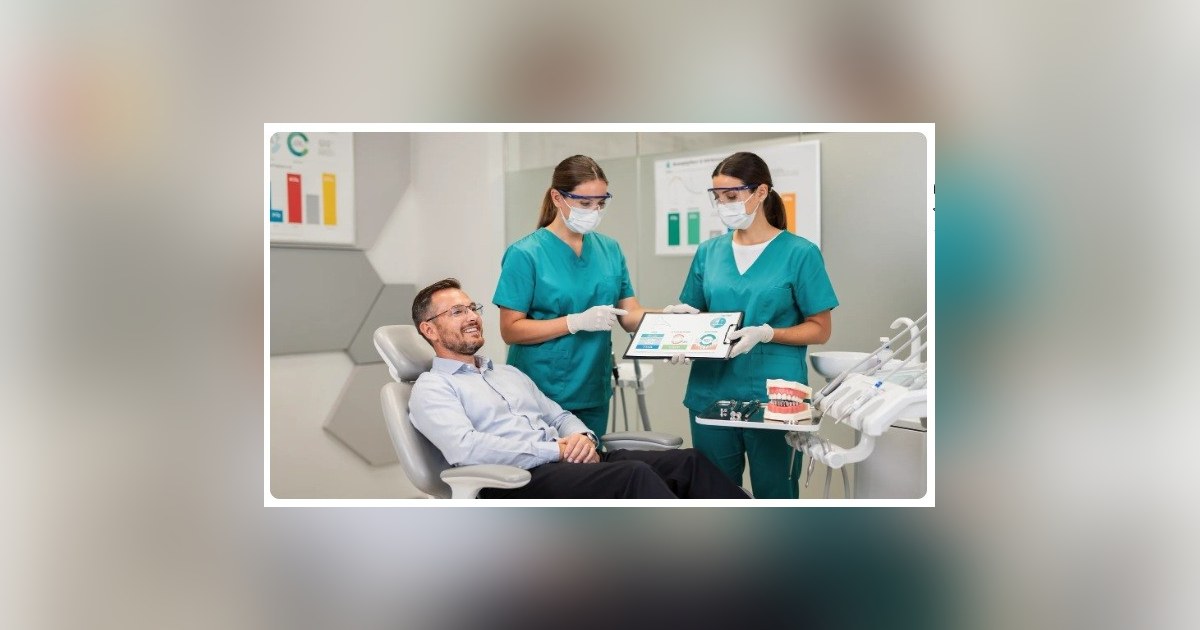
Replacing missing teeth with dental implants is a significant investment in oral health, but the pursuit of affordability often leads patients to focus on the lowest advertised price. According to a recent professional guide, this approach can be misleading and potentially costly. The guide emphasizes that affordable dental implants should not mean choosing the cheapest option, but rather understanding what you are paying for and selecting a qualified provider with transparent pricing.
Dental implant treatment is rarely a single procedure. It typically involves multiple stages: examination, imaging, extraction, implant placement, healing time, abutment, and final restoration. Because of this complexity, comparing one office's advertised implant price to another's can be like comparing apples to oranges. One provider might quote only the implant fixture, while another includes several components. The guide advises patients to request a written estimate detailing exactly what is included, as a lower initial quote can become more expensive if essential services are excluded.
Why do implants feel so expensive? The total cost reflects the expertise, materials, and comprehensive care required. The FDA notes that implants can restore chewing ability, appearance, and oral function, while also helping preserve bone. However, additional procedures like bone grafting may be necessary if there is insufficient bone, adding to the expense. The guide stresses that these are not unnecessary upsells but clinically indicated steps for successful outcomes. Patients should ask why such procedures are recommended and how they affect the timeline and total cost.
Insurance and financing can help manage costs, but patients must understand the details. Dental insurance often has annual maximums, deductibles, and limitations, and may exclude implants altogether. The ADA recommends requesting a pre-treatment estimate from your insurance company to clarify your out-of-pocket responsibility. For those considering financing, the guide warns against focusing solely on monthly payments; instead, review interest rates, total repayment amounts, and fees. Some practices offer in-house payment plans, which can be discussed with the financial coordinator.
When evaluating providers, price should not be the only factor. The FDA advises patients to ask about the dentist's experience, the implant system used, and complication rates. Quality materials, such as titanium or zirconium oxide implants, are evaluated against safety and performance standards. Choosing a reputable provider who communicates clearly and provides comprehensive follow-up care is essential for long-term value. As the guide notes, why dental implants can feel expensive is often a matter of understanding the full scope of treatment, not just the initial price tag.
Ultimately, affordable dental implants mean better access to appropriate care, not lower standards. By comparing complete treatment plans, investigating insurance and financing, and prioritizing long-term value over the lowest price, patients can make informed decisions that protect both their oral health and their finances. For those in Tyler, Texas, a local practice offers resources and consultations to guide patients through this process, ensuring they receive quality care at a fair price. More information is available at dentistintylerdenturesanddentalimplant.com.