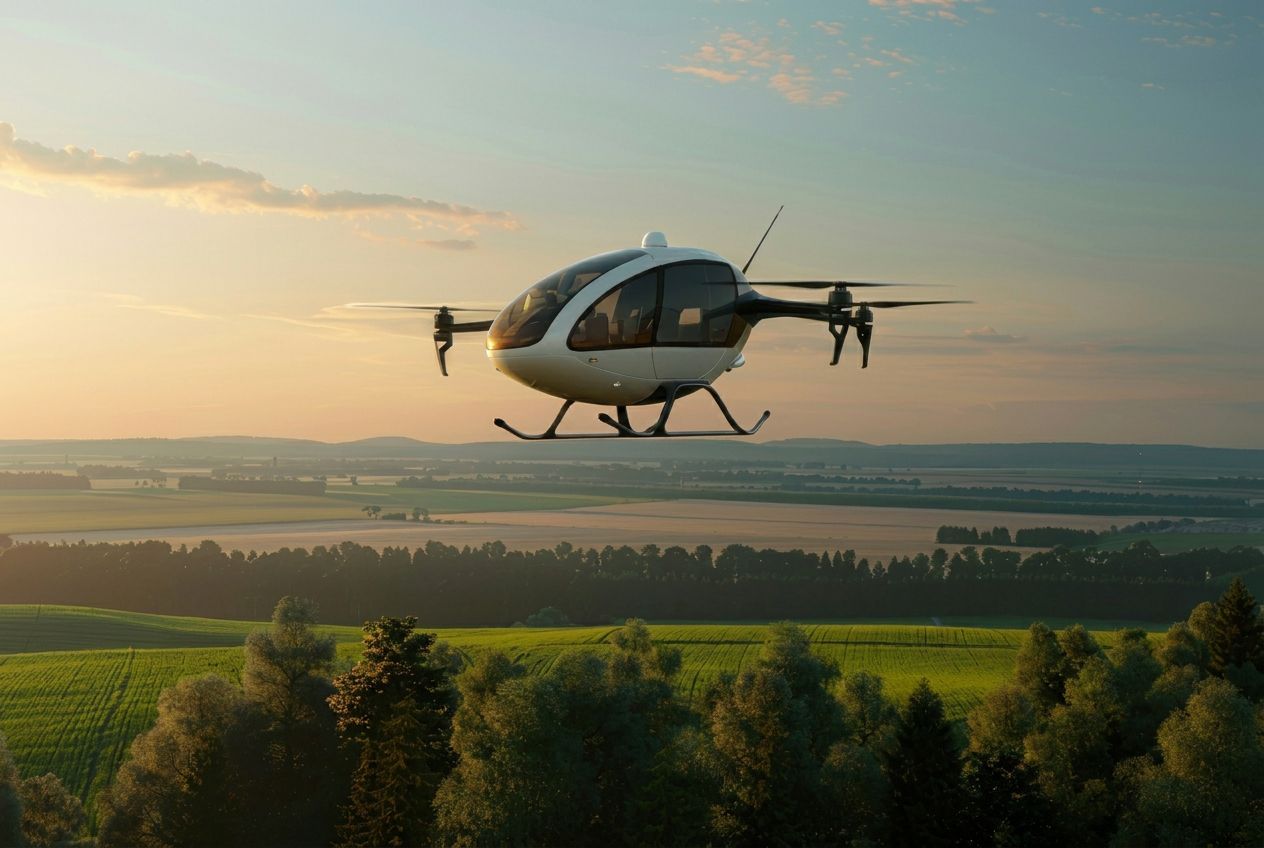
While the advanced air mobility sector has long focused on aircraft certification as its central challenge, ground infrastructure is now emerging as the more urgent constraint, according to Lisa Wright, founder of Landings. Wright, who is building a vertiport network across rural North America, draws a direct parallel to the electric vehicle industry, which produced cars faster than charging networks could support them.
"All the focus was on the aircraft, which gave time to build the thesis and have conversations," Wright explained. The consequence is that even once aircraft are certified—Joby targets late 2026, Archer may slip to 2028—commercial service cannot begin without prepared landing sites. Vertiport development involves land agreements, community approvals, utility connections, and energy assessments, each carrying multi-year timelines that developers often underestimate.
Energy infrastructure is the most underappreciated bottleneck, particularly for networks targeting rural or semi-rural locations. Grid connections to remote landing sites can take years through utility providers. Off-grid solar and battery systems require procurement timelines that don't align with early commercial deployments. To bridge the gap, some operators are exploring mobile charging units: trucks capable of delivering on-demand power before permanent solutions are in place. "Energy is still the real bottleneck," Wright says. "Sometimes the timeline on getting that equipment can be longer than expected."
The early-mover advantage in vertiport development is permanent because it requires years of community engagement and regulatory navigation. "It's actually very difficult and time-consuming to build infrastructure on the ground," Wright notes. "Anybody who wants to start now is going to take years to catch up." This dynamic is becoming visible as the FAA's EIPP program launches operations this summer, and manufacturers plan actual deployments. Operators who have secured location agreements and solved energy problems in advance can offer ready sites immediately.
The potential consequence is a split between operators who can move quickly because their infrastructure work is already underway, and those starting from scratch. In a sector where aircraft certification timelines keep shifting, the ability to offer a network of prepared landing sites—regardless of which manufacturer's aircraft is ready first—may prove to be the most durable competitive position available. For property owners and communities, the calculus is straightforward: service will flow to locations where infrastructure already exists, not to places that begin their multi-year approval process after commercial operations begin.