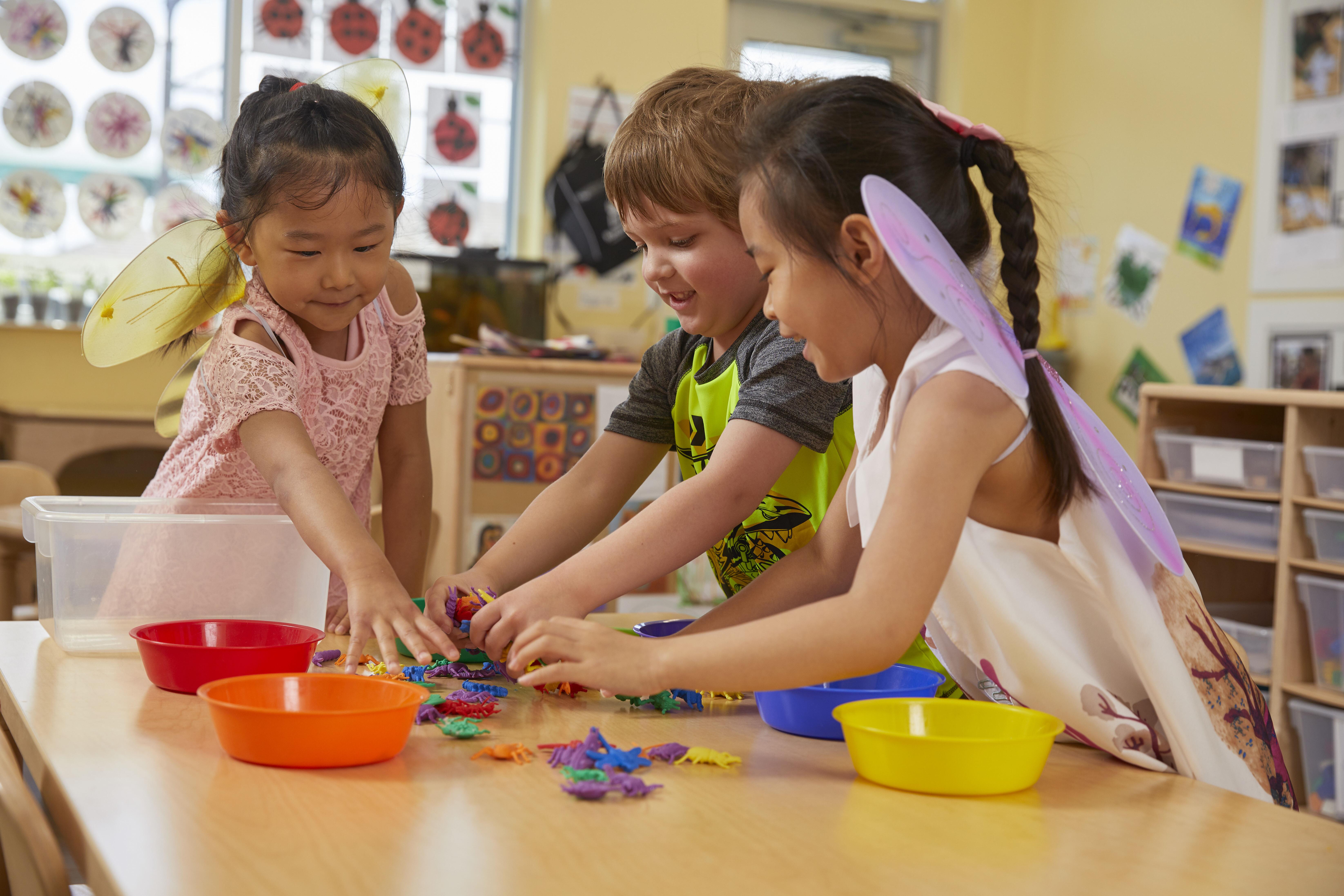
Many parents believe that kindergarten readiness hinges on a child's ability to recite the alphabet, count to ten, or write their name. While these academic milestones are important, educators emphasize that the social-emotional and executive function skills developed in early childhood are equally, if not more, critical for a successful transition to elementary school. In high-quality pre-K programs, children are not only introduced to early academics but are also taught how to collaborate with peers, solve problems, manage emotions, adapt to new situations, and build independence—skills that lay the foundation for lifelong learning.
“One of the biggest surprises for parents is that being ready for kindergarten isn't just about what children know. It's about how they learn,” said Dr. Lisa Grant, vice president of KinderCare Learning Companies' Education Programs. “A child might know their letters and numbers, but they also need to be able to join a group, follow directions, bounce back from challenges, and work through disagreements with classmates. Those everyday skills help children feel confident, participate in the classroom, and get the most out of learning.” At KinderCare Learning Centers, teachers intentionally design daily activities to foster these skills alongside literacy, math, science, and language development through guided play, routines, and collaborative projects.
One of the foundational skills children acquire in pre-K is sharing. Young children often struggle with the concept that giving something away does not mean it is gone forever. “To a four-year-old, an object shared is a thing that’s given away, never to return,” explained Dr. Grant. By helping children understand the value of sharing and assisting others, pre-K programs prepare them for the collective ownership of classroom supplies and library books in elementary school. Similarly, learning to take turns is vital for classroom order and social interaction. Whether raising a hand to speak or waiting for a turn on the swings, turn-taking requires self-control, which is challenging for young children but essential for a productive learning environment. Mastering this skill in pre-K enables children to function well within a group, benefiting everyone's education.
Conflict resolution is another crucial skill. Every child will face disagreements, and learning to navigate them constructively is a form of problem-solving that extends far beyond the playground. “Conflict resolution is about more than stopping the argument. It’s about developing self-control, to calm yourself emotionally to the point where you’re able to think creatively to find a solution that works for everyone involved,” said Dr. Grant. This ability to regulate emotions and find mutually acceptable solutions is a skill that children will use throughout their academic and personal lives. Independence, too, is fostered in pre-K through tasks like managing personal belongings, following multi-step directions, and making choices. These experiences build confidence and self-reliance, easing the transition to the more structured environment of kindergarten.
The implications of these findings are significant for parents making decisions about early childhood education. As families weigh their pre-K options, it is essential to look beyond academics alone. Kindergarten readiness is achieved when children develop social-emotional, executive function, and academic skills together. What may seem like basic manners—taking turns, sharing, resolving conflicts peacefully—are actually the building blocks of collaboration, self-regulation, flexibility, and problem-solving. These skills not only facilitate a smoother start to school but also help children become confident learners and stronger problem-solvers throughout their education. For families interested in a program that supports both academic and life skills, learning more about KinderCare's pre-K programs can provide valuable insights into how these essential skills are cultivated.